
Student Loan Default 2026: 2.6 Million Borrowers Just Defaulted — Here’s How to Avoid Being Next
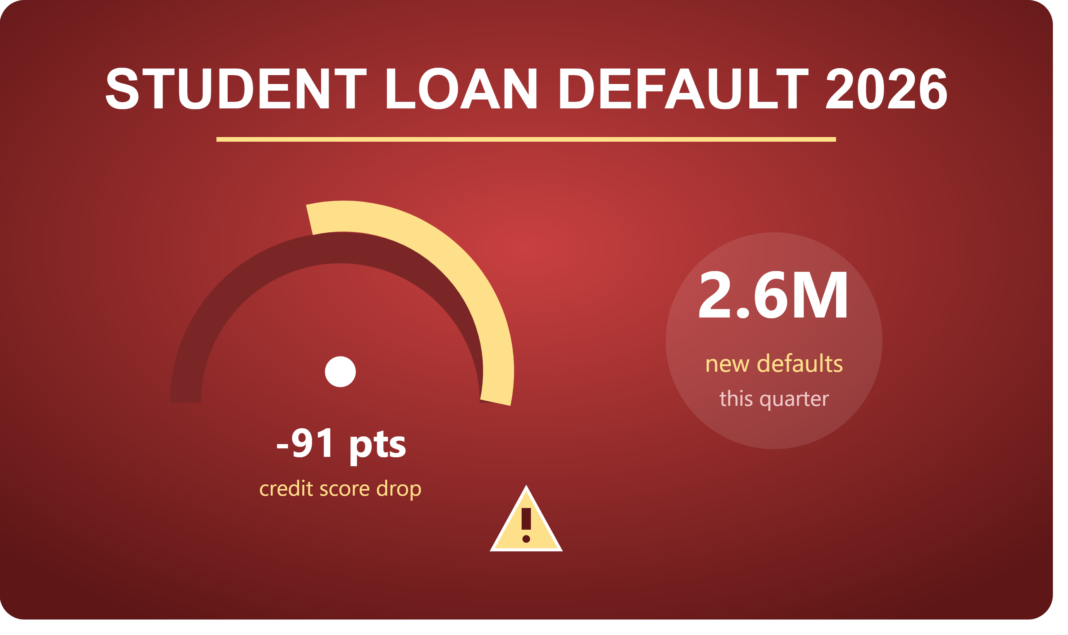
The numbers just came out, and they’re alarming. According to the Federal Reserve Bank of New York, roughly 2.6 million federal student loan borrowers had their loans sent to default during the first quarter of 2026 alone. That’s on top of nearly 1 million defaults in late 2025. If you have federal student loans and pandemic-era protections have you feeling like you have more breathing room than you actually do, this is the wake-up call worth reading.
What’s Actually Happening
Now that pandemic-era loan protections have fully ended, federal student loan defaults are climbing sharply. The Liberty Street Economics analysis behind this data reveals a detail that should concern a lot of borrowers: the average newly defaulted borrower is nearly 39 years old, and many of them were current on their payments before the 2020 pandemic pause began.
In other words, this isn’t primarily a story about young, first-time borrowers falling behind. It’s about people who were managing their loans just fine years ago, got used to years without a payment obligation, and are now struggling to catch back up now that repayment is fully back in force.
The Real Cost of Defaulting
Defaulting on a federal student loan carries consequences that go far beyond a bad credit score, though that alone is significant. Data shows credit scores for newly defaulted borrowers dropped 91 points on average — enough to meaningfully affect your ability to rent an apartment, get approved for a car loan, or qualify for a mortgage.
Here’s what else is on the table once a loan goes into default:
- Wage garnishment — the government can require your employer to withhold a portion of your paycheck
- Tax refund seizure — your federal tax refund can be intercepted and applied to the defaulted loan
- Offset of federal benefits — this can include a reduction in Social Security payments for older borrowers
- Loss of eligibility for additional federal student aid — making it harder to return to school if needed
- Collection fees added on top of your balance — increasing what you actually owe
One piece of temporary relief: collections on defaulted loans are currently paused. But that pause is not guaranteed to last, and borrowers who assume it will stay paused indefinitely could be caught off guard when collections resume.
Why So Many Borrowers Are Falling Behind Right Now
A few factors are compounding at the same time, making this a particularly difficult stretch for federal loan borrowers:
- The pandemic payment pause lasted years, and many borrowers’ budgets adjusted to not having that monthly expense — resuming it has been a genuine financial shock for a lot of households
- This comes at the same time as a complete overhaul of the repayment system, with new plans like RAP and the Tiered Standard Plan replacing older options, adding confusion on top of financial strain
- Rising costs elsewhere — from elevated auto loan payments to higher grocery and energy prices — have left many households with less room in their budget to absorb a resumed student loan payment
- The SAVE plan’s phase-out has left borrowers who relied on it needing to actively choose a new plan, and some may be missing that window entirely
What to Do If You’re Behind or At Risk of Defaulting
If you’re struggling to keep up with federal student loan payments, there are real options that can prevent default — but they generally require taking action before you fall too far behind:
- Contact your loan servicer immediately if you’re struggling. Servicers have options for borrowers in financial distress, but they generally can’t help if they don’t know you’re struggling.
- Look into income-driven repayment options. Depending on your loan type and timing, plans like RAP may significantly lower your monthly payment based on your actual income.
- Ask about deferment or forbearance if you need short-term relief. These pause payments temporarily, though interest may continue to accrue depending on your loan type.
- Don’t ignore communications from your servicer. A lot of defaults happen not because someone couldn’t ever pay, but because they lost track of due dates, missed notices about plan changes, or didn’t respond to outreach in time.
- Update your contact information with your servicer and with StudentAid.gov. If you’ve moved or changed your email or phone number since your last payment, notices about upcoming changes may not be reaching you.
If You’ve Already Defaulted
If your loan has already been sent to default, you’re not without options:
- Loan rehabilitation allows you to make a series of agreed-upon, reasonable monthly payments (typically nine payments over ten months) to bring your loan out of default and restore your eligibility for income-driven repayment plans
- Loan consolidation can be a faster path out of default in some cases, though it comes with its own trade-offs depending on your loan history
- Contact the Department of Education’s Default Resolution Group directly to understand which path makes the most sense for your specific situation
The Bigger Warning Sign for Every Borrower
Even if you’re current on your payments today, this data is worth paying attention to. The fact that so many defaulting borrowers were previously in good standing before the pandemic pause suggests that years without financial pressure can quietly erode the habits and buffer needed to handle a resumed obligation. If your budget has genuinely changed since 2020, and your student loan payment now represents a bigger share of your income than it used to, it’s worth proactively reassessing your repayment plan rather than waiting until a missed payment forces the issue.
What You Should Actually Do This Week
- Log into StudentAid.gov and confirm your loan status is current, and that your repayment plan actually reflects your current income and budget.
- If a payment increase caught you off guard, look into RAP or another income-driven option before you miss a payment, not after.
- If you’re already behind, call your servicer today — the earlier you engage, the more options remain available to you.
- Set a calendar reminder to check your loan status quarterly, especially given how much the repayment system has changed this year.
Bottom Line
A 91-point average credit score drop and 2.6 million new defaults in a single quarter is a genuinely serious signal, not a minor statistic. The good news is that most of the worst consequences of default are preventable with early action — the borrowers who get into the deepest trouble are usually the ones who avoid the problem rather than the ones who call their servicer and ask for help. If your student loan situation feels shaky right now, this week is the right time to address it, not after collections resume.
This article is for informational purposes only and does not constitute financial or legal advice. Consult StudentAid.gov or a certified student loan counselor for guidance specific to your loan situation.