
Buy Now, Pay Later Is Booming — But New Data Reveals a Worrying Pattern
Buy Now, Pay Later services like Klarna, Afterpay, and Affirm have become a normal part of online checkout, letting you split almost any purchase into smaller payments. But new survey data reveals something concerning: the people using BNPL the most are often the ones who can least afford unexpected debt. Here’s what the data actually shows, and how to use these services without letting them use you.
What the New Data Actually Shows
Recent Gallup survey data suggests that a large share of BNPL users turn to these services because they’re already financially stretched, not because they’re simply looking for a convenient payment option. In other words, for many people, BNPL isn’t a lifestyle choice — it’s a sign of financial strain that can end up compounding the very problem it seems to solve.
This matters because BNPL is often marketed and perceived as a “smarter,” lower-risk alternative to credit cards. The data suggests that assumption doesn’t always hold up in practice.
Why BNPL Feels Safer Than It Actually Is
BNPL services are designed to feel effortless: a few taps at checkout, no hard credit check for most plans, and a payment schedule that feels manageable in isolation. But a few structural issues make it easy to lose track of your actual financial picture:
- It doesn’t show up like a normal bill. Unlike a credit card statement that consolidates everything in one place, BNPL payments are often spread across multiple apps and merchants, making it easy to lose track of how many active plans you actually have running at once.
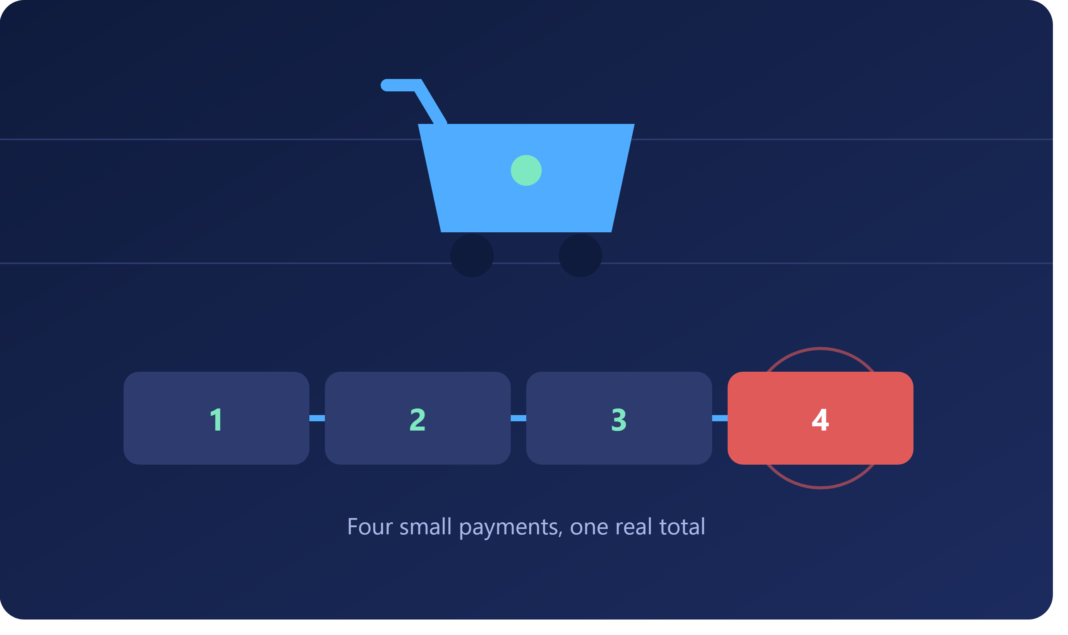
- Each individual payment looks small. A $200 purchase split into four $50 payments feels far less significant than seeing “$200” on a receipt, even though the total obligation is identical.
- Approval is fast and frictionless, which removes the natural pause that often comes with a traditional credit application.
- Missed payments can still hurt your credit and finances. Depending on the provider, late payments can trigger fees, and some BNPL activity is now being reported to credit bureaus, meaning it can affect your credit score just like a credit card would.
The Real Risk: Stacking Multiple Plans
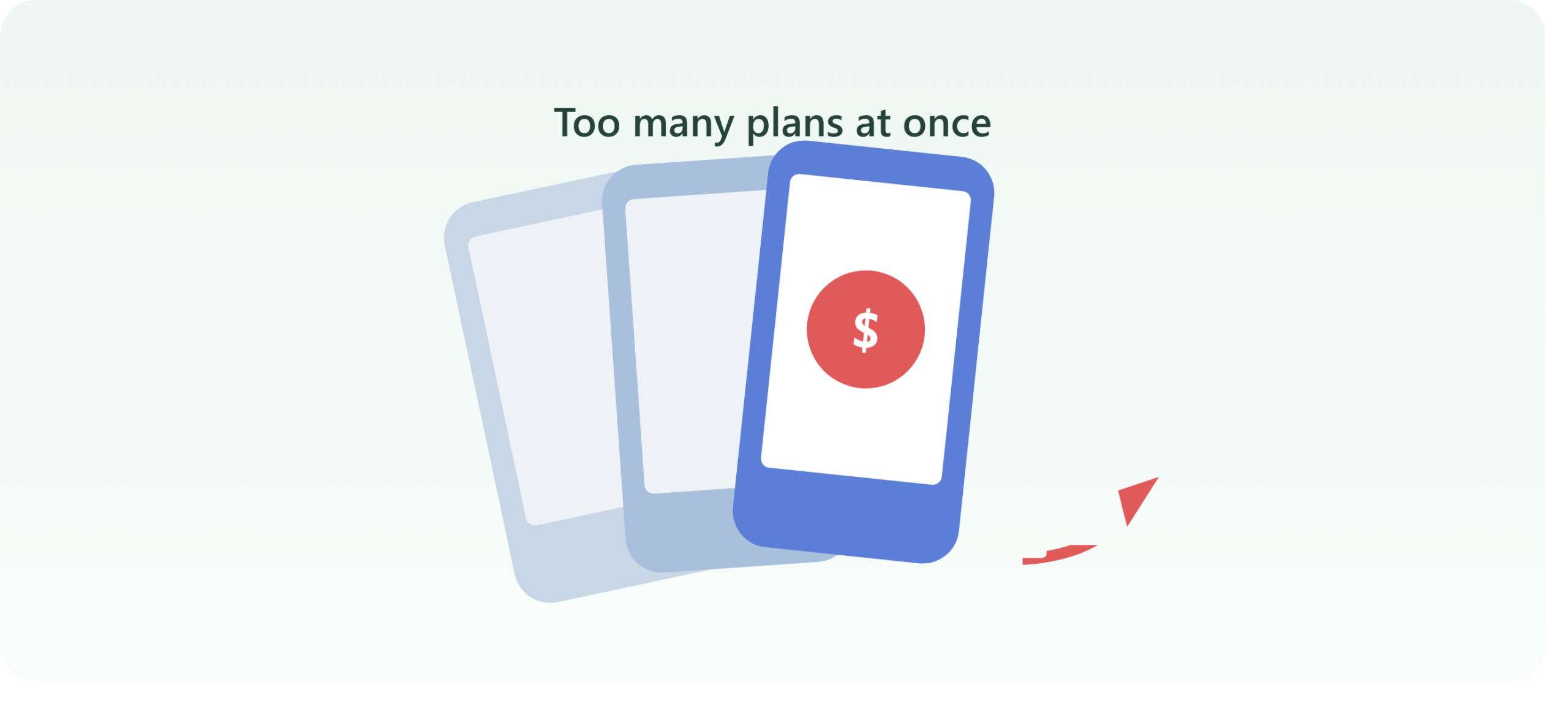
The biggest danger isn’t using BNPL once for a single purchase — it’s using it repeatedly across different retailers without tracking the combined obligation. If you have three or four active BNPL plans running simultaneously across different apps, you could be carrying more short-term debt than you realize, with payments due on different days throughout the month.
This is exactly the scenario that leads to missed payments, late fees, and a growing sense that your money is already spoken for before your next paycheck even arrives.
How to Use BNPL Without Letting It Use You
If you already use BNPL, or you’re considering it, a few practical habits make a real difference:
- Track every open plan in one place. Keep a simple running list, even something as basic as a notes app, of every active BNPL plan, the payment amount, and the due date.
- Limit yourself to one active plan at a time. This alone prevents the “stacking” problem that catches most people off guard.
- Never finance something you couldn’t otherwise afford outright. If splitting a purchase into four payments is the only way you can afford it, that’s a signal to reconsider the purchase itself, not just the payment method.
- Treat it exactly like debt, because it is. BNPL doesn’t feel like traditional borrowing, but it carries the same core risk: an obligation to pay money you don’t have yet.
- Check how it affects your credit before you rely on it heavily. Some BNPL providers now report activity to credit bureaus, so consistent on-time payments can help your credit, but missed ones can hurt it too.
When BNPL Actually Makes Sense
To be fair, BNPL isn’t inherently harmful. Used deliberately, it can be a genuinely useful tool:
- Splitting a planned, already-budgeted purchase (like a mattress or a laptop) into interest-free installments, when the total amount was already accounted for in your budget
- Managing cash flow timing for a purchase you know you can afford, just not all in one lump sum this particular week
The difference between healthy and risky use almost always comes down to one question: are you using BNPL to manage timing on a purchase you can already afford, or to afford something you otherwise couldn’t?
A Broader Warning Sign Worth Noticing
If you find yourself reaching for BNPL regularly, especially for everyday purchases like groceries or small household items rather than occasional bigger-ticket purchases, that’s worth pausing on. It often signals that your regular budget is already stretched thin, and adding short-term financing on top of that can make an already tight situation harder to recover from.
In that case, the more useful fix usually isn’t which payment method to use — it’s taking a closer look at your overall budget, and whether an emergency fund (even a small one) could reduce the need to finance everyday expenses in the first place.
Bottom Line
Buy Now, Pay Later isn’t good or bad on its own — it’s a tool, and like any financing tool, it rewards discipline and punishes carelessness. The new data is a useful reminder to check in with yourself honestly: are you using BNPL a few times a year for planned purchases, or has it quietly become a running tab you’re not fully tracking? The answer to that question matters a lot more than which specific app you’re using.
This article is for informational purposes only and does not constitute financial advice. Consult a licensed financial advisor if you’re concerned about mounting debt across multiple payment platforms.