
Iran Ceasefire Collapses, Oil Prices Surge: What It Means for Your Wallet
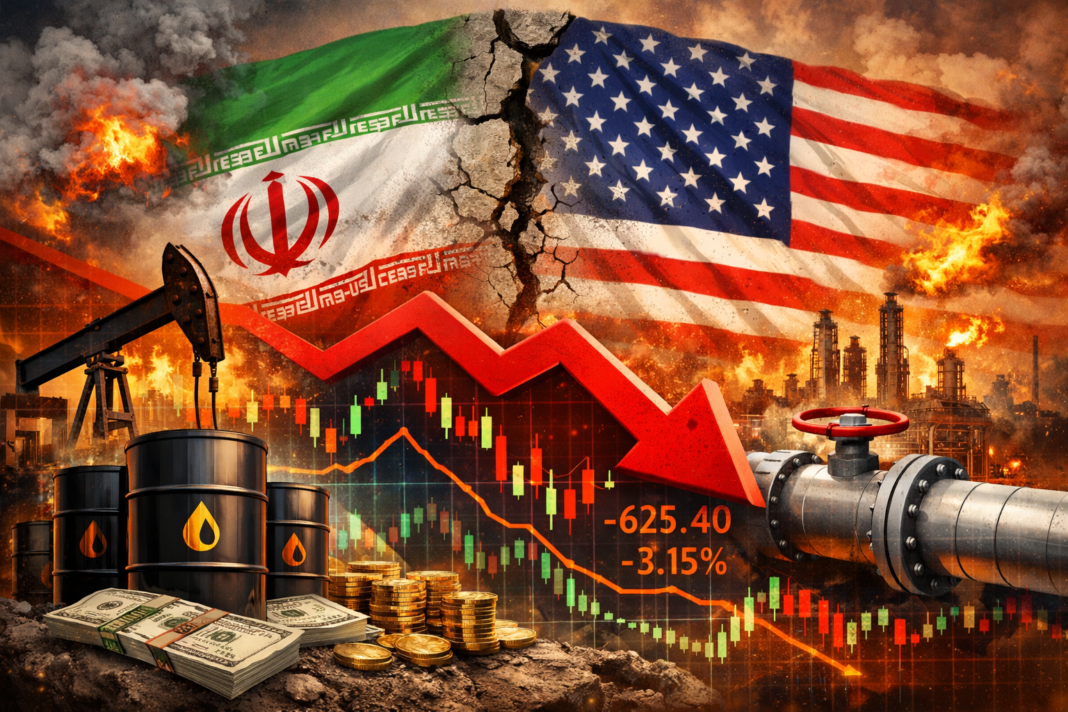
Markets woke up on edge today. After the U.S. and Iran exchanged fresh military strikes, President Trump declared the fragile ceasefire between the two countries effectively over. Stock futures dropped and oil prices jumped within hours. If you’re wondering whether this affects your gas bill, your grocery budget, or your retirement account, here’s the honest breakdown.
What’s Happening
Tensions in the Middle East flared up again after Iran’s Islamic Revolutionary Guard Corps reportedly struck U.S. military targets in Bahrain and Kuwait, following earlier American strikes and renewed sanctions on Iranian oil exports tied to attacks on shipping near the Strait of Hormuz. Speaking at a NATO summit in Turkey, the President took a hard line, ruling out any near-term diplomatic resolution.
Markets reacted almost immediately. Nasdaq futures fell, and crude oil prices jumped as traders priced in the risk of a wider conflict disrupting oil supply routes through one of the world’s most critical shipping chokepoints.
Why Oil Prices React So Fast to This Region
The Strait of Hormuz is one of the most important waterways in the global economy — a huge share of the world’s seaborne oil exports passes through it. Any threat to shipping through that corridor makes traders nervous about future supply, and oil prices tend to jump on that fear alone, even before any actual disruption happens.
This is different from a slow-building economic trend like inflation or a jobs report. Geopolitical shocks like this can move prices within hours, then partially reverse just as quickly if tensions cool back down. That volatility is exactly why it’s risky to make big financial decisions based on a single day’s headlines.
What This Means for Gas Prices
Oil price increases don’t always show up at the pump immediately, but they typically flow through within one to two weeks as gas stations adjust to higher wholesale costs. If tensions stay elevated:
- Expect gas prices to drift upward in the coming days, especially in regions already sensitive to supply disruptions
- A short-lived spike (if the situation calms down quickly) usually doesn’t justify major changes to your budget
- A sustained conflict, on the other hand, could keep prices elevated for weeks or months
Practical move: if you’re planning a long road trip or a big purchase tied to fuel costs, it may be worth filling up sooner rather than waiting, without going overboard on the panic.
What This Means for Your Investments
A single day of market volatility, even a sharp one, rarely justifies changing your long-term investment strategy. A few things worth keeping in mind:
- Energy stocks often move higher during oil price spikes, while airlines, shipping, and travel-related stocks tend to get hit harder due to rising fuel costs
- Broad market index funds (like an S&P 500 fund) will likely see short-term dips, but historically these geopolitical shocks tend to be temporary compared to structural economic issues
- Gold and other safe-haven assets often rise during these periods as investors look for stability
The classic mistake during days like this is panic-selling a well-diversified portfolio based on one news cycle. Unless your personal financial situation or goals have changed, staying the course is usually the better long-term move.
What This Means for Inflation
Sustained higher oil prices can ripple through the broader economy, since energy costs affect everything from manufacturing to shipping to your grocery bill. If this conflict drags on:
- Transportation-heavy goods could see price increases
- The Federal Reserve’s recent leanings toward interest rate cuts could get complicated if oil-driven inflation picks back up
- This creates a genuine tension: a weak jobs market pushes the Fed toward cutting rates, while an oil-driven inflation spike would push in the opposite direction
This is one of the more important dynamics to watch in the coming weeks — it directly affects whether borrowing costs (mortgages, credit cards, auto loans) get cheaper or stay where they are.
What You Should Actually Do Today
- Don’t make emotional investment decisions based on one day’s headlines. Wait to see if this is a short-term spike or the start of a longer conflict before adjusting your portfolio.
- If you’re already planning a big fuel-dependent purchase or trip, consider timing it sooner rather than later.
- Keep an eye on your emergency fund. Geopolitical uncertainty is exactly the kind of scenario an emergency fund exists for — not necessarily because you’ll need it, but because having it removes the pressure to make reactive financial decisions.
- Watch how this affects the Fed’s next move. If oil-driven inflation picks up, it could delay the interest rate cuts that markets have been expecting following the recent weak jobs data.
Bottom Line
Geopolitical shocks like this are unsettling, but they’re also, historically, some of the most short-lived drivers of market volatility. The bigger risk to your finances usually isn’t the initial spike — it’s overreacting to it. Keep half an eye on how this develops over the next few days, make sure your emergency fund and budget can absorb a temporary bump in gas prices, and avoid making permanent decisions based on a single day of turbulent headlines.
This article is for informational purposes only and does not constitute financial or investment advice. Geopolitical events are unpredictable and can change rapidly; consult a licensed financial advisor before making investment decisions.