Home Blog Page 7

How to pay off credit card debt fast 2026: A Realistic Step-by-Step Plan

How to Pay Off Credit Card Debt Fast in 2026: A Realistic Step-by-Step Plan

If you’re trying to figure out how to pay off credit card debt fast in 2026, you’re part of a very large group right now. Americans collectively owe $1.252 trillion in credit card debt as of the first quarter of 2026, and the average individual cardholder balance has climbed to $6,519. If that sounds like your situation, here’s a realistic, step-by-step plan to actually make progress this year, not just another list of tips you’ve already heard.

Why So Many People Are Stuck Right Now

Before jumping into strategy, it helps to understand why credit card debt has become such a widespread problem. A recent survey found that 53% of consumers carry credit card balances specifically to cover essential expenses, not discretionary spending, and 25% have carried that debt for six months or longer. At an average APR near 21%, a $6,500 balance generates roughly $114 in interest every single month, meaning minimum payments barely touch the actual principal.

This matters because it changes the starting point for anyone learning how to pay off credit card debt fast in 2026: this usually isn’t a spending problem you can fix by cutting out coffee. It’s an interest-rate math problem that requires a specific strategy to overcome.

Step 1: Get the Full Picture First

Before choosing a payoff method, list every card you have with three details: the balance, the interest rate (APR), and the minimum payment. This single step reveals which cards are actually costing you the most, which is often different from which card has the largest balance.

Step 2: Choose Your Payoff Strategy

There are two proven approaches, and the “best” one depends on your personality more than the math:

The Debt Avalanche Method — Pay minimums on every card, then throw every extra dollar at the card with the highest interest rate first. Once it’s paid off, roll that payment into the next-highest-rate card. This method mathematically saves you the most money in total interest.

The Debt Snowball Method — Pay minimums on every card, then throw every extra dollar at the smallest balance first, regardless of interest rate. Once it’s gone, roll that payment into the next-smallest balance. This method is less mathematically efficient but tends to keep people motivated longer, since they see full balances disappear sooner.

Neither method is “wrong.” Financial counselors note that the method you’ll actually stick with beats the mathematically perfect method you abandon after two months.

Step 3: Consider a Balance Transfer Card

If your credit is in good shape, a balance transfer card can be one of the fastest ways to accelerate payoff. These cards let you move existing high-interest balances onto a new card with a 0% introductory APR, often lasting 12 to 21 months. During that window, every dollar you pay goes toward the principal instead of interest.

A few things to watch for:

  • Balance transfer fees typically run 3% to 5% of the amount transferred
  • The 0% rate is temporary — once the promotional period ends, the standard rate (often 20%+) resumes on any remaining balance
  • This strategy only works if you stop using the old cards, otherwise you risk accumulating debt in two places at once

Step 4: Try Paying More Than Once a Month

Here’s a lesser-known trick: credit card interest is calculated daily, not monthly, based on your average daily balance. That means splitting your payment into smaller, more frequent chunks throughout the month, rather than one lump sum at the due date, can lower the average balance interest is calculated on. Paying $250 every week instead of $1,000 once a month, for example, is the same total payment but can reduce the total interest charged over time.

Step 5: Consider Debt Consolidation for Larger Balances

If your balances are spread across multiple cards and feel unmanageable, a debt consolidation loan combines everything into a single fixed-rate installment loan, often at 7% to 24% APR depending on your credit score — a significant improvement over 20-29% credit card rates. This approach only makes sense if you genuinely qualify for a meaningfully lower rate and commit to not running the old cards back up afterward.

Step 6: Know When to Call in Professional Help

If your debt genuinely feels unmanageable on your own, a nonprofit credit counseling agency (like those affiliated with the National Foundation for Credit Counseling) can negotiate a debt management plan with your creditors, sometimes reducing your interest rate to single digits. Unlike debt settlement, a debt management plan doesn’t damage your credit score the way negotiated settlements can.

Debt settlement and bankruptcy remain options for genuine financial hardship, but both come with meaningful credit score consequences and should generally be treated as last resorts after other options have been explored.

A Quick Reality Check on Timeline

According to Bankrate’s 2026 Credit Card Debt Report, only 48% of cardholders carrying a balance actually have a plan to pay it off. Simply having a specific plan, rather than a vague goal to “spend less,” dramatically improves your odds of success. If you’re serious about learning how to pay off credit card debt fast in 2026, the plan matters more than the willpower.

What You Should Actually Do This Week

  1. List every card, balance, and interest rate in one place today
  2. Pick avalanche or snowball based on which will actually keep you motivated
  3. Check if you qualify for a balance transfer card, especially if your credit score is solid
  4. Automate your payments so progress doesn’t depend on remembering a due date
  5. Freeze new spending on the cards you’re paying down, even if that means physically setting them aside

For related reading on managing multiple accounts while you pay things down, our guide on Buy Now, Pay Later risks covers a similar debt-stacking trap worth avoiding while you focus on this payoff plan.

Bottom Line

Learning how to pay off credit card debt fast in 2026 comes down to three things: understanding exactly what you owe, picking one specific strategy rather than a vague intention, and using tools like balance transfers or consolidation loans where they genuinely fit your situation. The math is very much in your favor once you stop paying only the minimum — the sooner you start, the less you’ll pay in interest by the time you’re done.


This article is for informational purposes only and does not constitute financial advice. Consult a licensed financial advisor or nonprofit credit counselor for guidance specific to your debt situation.

Student Loan Default 2026: 2.6 Million Borrowers Just Defaulted — Here’s How to Avoid Being Next

Student Loan Default 2026: 2.6 Million Borrowers Just Defaulted — Here’s How to Avoid Being Next

The numbers just came out, and they’re alarming. According to the Federal Reserve Bank of New York, roughly 2.6 million federal student loan borrowers had their loans sent to default during the first quarter of 2026 alone. That’s on top of nearly 1 million defaults in late 2025. If you have federal student loans and pandemic-era protections have you feeling like you have more breathing room than you actually do, this is the wake-up call worth reading.

What’s Actually Happening

Now that pandemic-era loan protections have fully ended, federal student loan defaults are climbing sharply. The Liberty Street Economics analysis behind this data reveals a detail that should concern a lot of borrowers: the average newly defaulted borrower is nearly 39 years old, and many of them were current on their payments before the 2020 pandemic pause began.

In other words, this isn’t primarily a story about young, first-time borrowers falling behind. It’s about people who were managing their loans just fine years ago, got used to years without a payment obligation, and are now struggling to catch back up now that repayment is fully back in force.

The Real Cost of Defaulting

Defaulting on a federal student loan carries consequences that go far beyond a bad credit score, though that alone is significant. Data shows credit scores for newly defaulted borrowers dropped 91 points on average — enough to meaningfully affect your ability to rent an apartment, get approved for a car loan, or qualify for a mortgage.

Here’s what else is on the table once a loan goes into default:

  • Wage garnishment — the government can require your employer to withhold a portion of your paycheck
  • Tax refund seizure — your federal tax refund can be intercepted and applied to the defaulted loan
  • Offset of federal benefits — this can include a reduction in Social Security payments for older borrowers
  • Loss of eligibility for additional federal student aid — making it harder to return to school if needed
  • Collection fees added on top of your balance — increasing what you actually owe

One piece of temporary relief: collections on defaulted loans are currently paused. But that pause is not guaranteed to last, and borrowers who assume it will stay paused indefinitely could be caught off guard when collections resume.

Why So Many Borrowers Are Falling Behind Right Now

A few factors are compounding at the same time, making this a particularly difficult stretch for federal loan borrowers:

  • The pandemic payment pause lasted years, and many borrowers’ budgets adjusted to not having that monthly expense — resuming it has been a genuine financial shock for a lot of households
  • This comes at the same time as a complete overhaul of the repayment system, with new plans like RAP and the Tiered Standard Plan replacing older options, adding confusion on top of financial strain
  • Rising costs elsewhere — from elevated auto loan payments to higher grocery and energy prices — have left many households with less room in their budget to absorb a resumed student loan payment
  • The SAVE plan’s phase-out has left borrowers who relied on it needing to actively choose a new plan, and some may be missing that window entirely

What to Do If You’re Behind or At Risk of Defaulting

If you’re struggling to keep up with federal student loan payments, there are real options that can prevent default — but they generally require taking action before you fall too far behind:

  1. Contact your loan servicer immediately if you’re struggling. Servicers have options for borrowers in financial distress, but they generally can’t help if they don’t know you’re struggling.
  2. Look into income-driven repayment options. Depending on your loan type and timing, plans like RAP may significantly lower your monthly payment based on your actual income.
  3. Ask about deferment or forbearance if you need short-term relief. These pause payments temporarily, though interest may continue to accrue depending on your loan type.
  4. Don’t ignore communications from your servicer. A lot of defaults happen not because someone couldn’t ever pay, but because they lost track of due dates, missed notices about plan changes, or didn’t respond to outreach in time.
  5. Update your contact information with your servicer and with StudentAid.gov. If you’ve moved or changed your email or phone number since your last payment, notices about upcoming changes may not be reaching you.

If You’ve Already Defaulted

If your loan has already been sent to default, you’re not without options:

  • Loan rehabilitation allows you to make a series of agreed-upon, reasonable monthly payments (typically nine payments over ten months) to bring your loan out of default and restore your eligibility for income-driven repayment plans
  • Loan consolidation can be a faster path out of default in some cases, though it comes with its own trade-offs depending on your loan history
  • Contact the Department of Education’s Default Resolution Group directly to understand which path makes the most sense for your specific situation

The Bigger Warning Sign for Every Borrower

Even if you’re current on your payments today, this data is worth paying attention to. The fact that so many defaulting borrowers were previously in good standing before the pandemic pause suggests that years without financial pressure can quietly erode the habits and buffer needed to handle a resumed obligation. If your budget has genuinely changed since 2020, and your student loan payment now represents a bigger share of your income than it used to, it’s worth proactively reassessing your repayment plan rather than waiting until a missed payment forces the issue.

What You Should Actually Do This Week

  1. Log into StudentAid.gov and confirm your loan status is current, and that your repayment plan actually reflects your current income and budget.
  2. If a payment increase caught you off guard, look into RAP or another income-driven option before you miss a payment, not after.
  3. If you’re already behind, call your servicer today — the earlier you engage, the more options remain available to you.
  4. Set a calendar reminder to check your loan status quarterly, especially given how much the repayment system has changed this year.

Bottom Line

A 91-point average credit score drop and 2.6 million new defaults in a single quarter is a genuinely serious signal, not a minor statistic. The good news is that most of the worst consequences of default are preventable with early action — the borrowers who get into the deepest trouble are usually the ones who avoid the problem rather than the ones who call their servicer and ask for help. If your student loan situation feels shaky right now, this week is the right time to address it, not after collections resume.


This article is for informational purposes only and does not constitute financial or legal advice. Consult StudentAid.gov or a certified student loan counselor for guidance specific to your loan situation.

Car Payments Just Hit a Record $770 a Month — And Auto Debt Now Beats Student Loans

0

Car Payments Just Hit a Record $770 a Month — And Auto Debt Now Beats Student Loans

Here’s a number that should make anyone car shopping stop and think twice: the average new car payment in America has climbed to a record $770 per month. And it’s not just a one-time headline — total auto loan debt nationwide has now surged to $1.685 trillion, officially surpassing total student loan debt for the first time. If you’re financing a car soon, or already are, here’s what’s actually going on and how to avoid becoming part of this statistic.

The Numbers That Should Get Your Attention

A new car payment averaging $770 a month means the typical American buyer is now committing close to $9,240 a year just to their car payment alone, before factoring in insurance, gas, maintenance, or parking. Stack that on top of rent or a mortgage, and it’s easy to see how car payments have quietly become one of the biggest strains on household budgets.

The fact that total auto loan debt has now overtaken student loan debt nationwide is a genuinely significant shift. For years, student loans were the poster child for the “American debt crisis” conversation. Cars have quietly taken that title, and most people don’t even realize it happened.

Why Car Payments Got So Expensive


A few forces have combined to push monthly payments to record highs:

  • Vehicle prices themselves remain elevated, driven by ongoing supply chain adjustments, tariffs on imported parts and vehicles, and manufacturers shifting toward higher-margin trims and features
  • Interest rates on auto loans remain high, meaning the same size loan costs meaningfully more per month than it would have just a few years ago
  • Loan terms have stretched longer — many buyers are now financing vehicles for 72, 84, or even 96 months to make the monthly number feel more manageable, even though this increases total interest paid over the life of the loan
  • Average loan amounts have grown, as buyers finance a larger share of increasingly expensive vehicles rather than putting down a substantial down payment

The Hidden Danger of Stretching Your Loan Term

Here’s the part that trips up a lot of buyers: stretching a loan to 84 or 96 months might make the monthly payment look survivable, but it creates a genuinely risky situation called being “upside down” — owing more on the loan than the car is actually worth.

Cars depreciate quickly, especially in the first few years. If you’re financing for 7-8 years, there’s a real chance you’ll owe more than the car’s value for a significant chunk of that loan, which becomes a serious problem if you need to sell, trade in, or if the car is totaled in an accident.

What This Means If You’re Car Shopping Right Now

  1. Don’t just look at the monthly payment — look at the total cost. A $770/month payment over 72 months costs dramatically more in total interest than the same loan over 48 months, even if the monthly number looks scarier upfront.
  2. Get pre-approved financing before you visit a dealership. Walking in with your own bank or credit union’s rate gives you real negotiating leverage and a baseline to compare against dealer financing offers.
  3. Consider a certified pre-owned vehicle instead of new. With new car prices this elevated, a well-maintained used vehicle can meaningfully reduce both the purchase price and the loan amount needed.
  4. Put down as much as you reasonably can. A larger down payment directly reduces how “upside down” you can become and lowers your monthly payment without extending your loan term.
  5. Resist stretching to 84 or 96 months just to hit a “comfortable” monthly number. If the only way to afford a car is a loan term that long, it’s often a sign to consider a less expensive vehicle instead.
  6. Factor in the full cost of ownership, not just the payment — insurance, fuel, maintenance, and registration can easily add several hundred dollars a month on top of the loan payment itself.

What If You’re Already Locked Into a High Payment?

If you’re already carrying one of these expensive auto loans, a few things are worth exploring:

  • Check if refinancing makes sense. If your credit has improved since you took out the loan, or if rates have shifted, refinancing could lower your monthly payment or total interest paid.
  • Avoid rolling negative equity into a new loan. If you’re upside down and considering trading in for a new vehicle, rolling the difference into a new loan often digs the hole deeper rather than solving the problem.
  • Consider extra principal payments if your budget allows it, even small ones, to reduce the total interest paid and shorten how long you’re at risk of being upside down.

The Bigger Picture: What This Debt Shift Really Means

The fact that auto debt has overtaken student loan debt nationally isn’t just a trivia fact — it reflects a genuine shift in how Americans are financing their lives. Vehicles have become nearly unavoidable in most of the country, unlike a college degree, which makes this a form of debt that’s harder to opt out of entirely. That makes getting the financing details right even more important, since there’s often less flexibility to simply avoid the expense altogether.

Bottom Line

A $770 average monthly car payment isn’t just an interesting statistic — it’s a genuine warning sign about how stretched auto financing has become for the typical buyer. Before you sign anything, run the full math: total cost over the life of the loan, not just the monthly number, and be honest with yourself about whether a longer loan term is solving your budget problem or just hiding it further down the road.


This article is for informational purposes only and does not constitute financial advice. Auto loan terms and rates vary by lender and individual credit profile; consult a licensed financial advisor or credit union representative before making a major auto financing decision.

Gas Prices Are Still Slamming Your Wallet — Even as the Oil Crisis Cools Down

0

Gas Prices Are Still Slamming Your Wallet — Even as the Oil Crisis Cools Down

Here’s something that doesn’t quite add up at first glance: the Middle East oil crisis that sent crude prices spiking is starting to ease, yet gas prices at the pump are still hitting consumers hard. If you’ve filled up your tank recently and wondered why relief hasn’t shown up yet, you’re not imagining things. Here’s the real explanation, and what it means for your budget in the coming weeks.

What’s Actually Happening Right Now

Crude oil prices have started to calm down after weeks of volatility tied to the conflict near the Strait of Hormuz. Trading has moved both above and below key resistance levels, and doubts about a full-scale escalation have kept oil from spiking further. In short: the crisis that originally drove prices up is showing signs of fading.

But gas prices at the pump haven’t followed that same script. Consumers are still feeling squeezed at the gas station, even as the crude oil side of the story cools off.

Why Gas Prices Lag Behind Oil Prices

This gap between crude oil and pump prices isn’t unusual, and understanding why helps explain what’s happening to your wallet right now:

  • Gas prices react to oil price spikes almost immediately, but they’re much slower to come back down. Retailers and refiners tend to pass along cost increases quickly, but often take their time lowering prices even after wholesale costs ease, a pattern often nicknamed the “rockets and feathers” effect in energy markets — prices rocket up, then drift down like a feather.
  • Refining and distribution costs don’t move in lockstep with crude prices. Even if the raw oil driving the crisis gets cheaper, the cost of refining it into gasoline and transporting it to your local station adjusts on its own timeline.
  • Regional supply disruptions can linger. If shipping through the Strait of Hormuz was slowed for any length of time, the ripple effects on fuel supply chains can take weeks to fully unwind, even after the headline crisis fades.

What This Means for Your Household Budget

If you’ve been budgeting for gas based on the assumption that prices would drop quickly once tensions eased, it’s worth adjusting your expectations:

  • Don’t expect an immediate price drop at the pump, even with encouraging headlines about the crisis cooling down
  • Regional differences matter. Areas with tighter refining capacity or higher reliance on affected shipping routes may see slower relief than others
  • This is a good moment to build a small buffer into your monthly budget for fuel costs, rather than assuming the “crisis is over” headlines translate to cheaper gas right away

The Bigger Economic Picture This Week

This fuel price story is landing right in the middle of an important stretch for the broader economy. A few things worth watching alongside your gas budget:

  • June’s Consumer Price Index (CPI) report comes out this week, which will show how much overall inflation, including energy costs, actually moved last month
  • Fed Chairman Kevin Warsh is testifying before Congress this week, and his comments could shed light on how the central bank is weighing energy-driven inflation against other economic signals
  • Major bank earnings (JPMorgan, Bank of America, Goldman Sachs, Wells Fargo, and Citigroup) are also due this week, which often set the tone for how Wall Street is reading the broader economic picture

If elevated fuel costs show up meaningfully in this week’s CPI report, it could complicate the interest rate picture even further, adding to the kind of mixed signals we’ve been tracking with the Fed’s recent internal disagreements.

Practical Ways to Soften the Fuel Price Squeeze

While you can’t control oil markets, a few practical habits can meaningfully reduce how much this pinches your monthly budget:

  1. Use gas price comparison apps to find the cheapest stations in your area rather than filling up at the first station you pass
  2. Combine errands into fewer trips to reduce total miles driven each week
  3. Check if your credit card offers gas rewards or cash back, and make sure you’re actually using that card for fuel purchases
  4. Consider a warehouse club membership if you drive often enough to make the discounted member gas prices worth the annual fee
  5. Keep tires properly inflated and get regular maintenance done — both meaningfully affect fuel efficiency, especially over a full tank of driving

What You Should Actually Do This Week

  1. Don’t assume falling oil prices mean falling gas prices immediately — budget for a lag of potentially several weeks
  2. Watch this week’s CPI report for a clearer read on whether fuel costs are meaningfully affecting overall inflation
  3. If gas costs are stretching your monthly budget, look at the practical fuel-saving steps above rather than waiting on the broader crisis to resolve
  4. Keep an eye on Fed commentary this week — testimony from the Fed Chair often moves market expectations for future rate decisions

Bottom Line

The gap between an easing oil crisis and still-painful gas prices isn’t a contradiction — it’s a normal, well-documented lag in how energy markets work. The relief consumers are hoping for is likely still coming, just slower than the headlines might suggest. In the meantime, a few smart habits at the pump, and a close eye on this week’s inflation data, can help you manage the squeeze until prices catch up with the calmer picture in the broader oil market.


This article is for informational purposes only and does not constitute financial advice. Energy prices and inflation data are inherently unpredictable; consult a licensed financial advisor for guidance specific to your budget and financial goals.

Buy Now Pay Later risks

0

Buy Now, Pay Later Is Booming — But New Data Reveals a Worrying Pattern

Buy Now, Pay Later services like Klarna, Afterpay, and Affirm have become a normal part of online checkout, letting you split almost any purchase into smaller payments. But new survey data reveals something concerning: the people using BNPL the most are often the ones who can least afford unexpected debt. Here’s what the data actually shows, and how to use these services without letting them use you.

What the New Data Actually Shows

Recent Gallup survey data suggests that a large share of BNPL users turn to these services because they’re already financially stretched, not because they’re simply looking for a convenient payment option. In other words, for many people, BNPL isn’t a lifestyle choice — it’s a sign of financial strain that can end up compounding the very problem it seems to solve.

This matters because BNPL is often marketed and perceived as a “smarter,” lower-risk alternative to credit cards. The data suggests that assumption doesn’t always hold up in practice.

Why BNPL Feels Safer Than It Actually Is

BNPL services are designed to feel effortless: a few taps at checkout, no hard credit check for most plans, and a payment schedule that feels manageable in isolation. But a few structural issues make it easy to lose track of your actual financial picture:

  • It doesn’t show up like a normal bill. Unlike a credit card statement that consolidates everything in one place, BNPL payments are often spread across multiple apps and merchants, making it easy to lose track of how many active plans you actually have running at once.
  • Each individual payment looks small. A $200 purchase split into four $50 payments feels far less significant than seeing “$200” on a receipt, even though the total obligation is identical.
  • Approval is fast and frictionless, which removes the natural pause that often comes with a traditional credit application.
  • Missed payments can still hurt your credit and finances. Depending on the provider, late payments can trigger fees, and some BNPL activity is now being reported to credit bureaus, meaning it can affect your credit score just like a credit card would.

The Real Risk: Stacking Multiple Plans

The biggest danger isn’t using BNPL once for a single purchase — it’s using it repeatedly across different retailers without tracking the combined obligation. If you have three or four active BNPL plans running simultaneously across different apps, you could be carrying more short-term debt than you realize, with payments due on different days throughout the month.

This is exactly the scenario that leads to missed payments, late fees, and a growing sense that your money is already spoken for before your next paycheck even arrives.

How to Use BNPL Without Letting It Use You

If you already use BNPL, or you’re considering it, a few practical habits make a real difference:

  1. Track every open plan in one place. Keep a simple running list, even something as basic as a notes app, of every active BNPL plan, the payment amount, and the due date.
  2. Limit yourself to one active plan at a time. This alone prevents the “stacking” problem that catches most people off guard.
  3. Never finance something you couldn’t otherwise afford outright. If splitting a purchase into four payments is the only way you can afford it, that’s a signal to reconsider the purchase itself, not just the payment method.
  4. Treat it exactly like debt, because it is. BNPL doesn’t feel like traditional borrowing, but it carries the same core risk: an obligation to pay money you don’t have yet.
  5. Check how it affects your credit before you rely on it heavily. Some BNPL providers now report activity to credit bureaus, so consistent on-time payments can help your credit, but missed ones can hurt it too.

When BNPL Actually Makes Sense

To be fair, BNPL isn’t inherently harmful. Used deliberately, it can be a genuinely useful tool:

  • Splitting a planned, already-budgeted purchase (like a mattress or a laptop) into interest-free installments, when the total amount was already accounted for in your budget
  • Managing cash flow timing for a purchase you know you can afford, just not all in one lump sum this particular week

The difference between healthy and risky use almost always comes down to one question: are you using BNPL to manage timing on a purchase you can already afford, or to afford something you otherwise couldn’t?

A Broader Warning Sign Worth Noticing

If you find yourself reaching for BNPL regularly, especially for everyday purchases like groceries or small household items rather than occasional bigger-ticket purchases, that’s worth pausing on. It often signals that your regular budget is already stretched thin, and adding short-term financing on top of that can make an already tight situation harder to recover from.

In that case, the more useful fix usually isn’t which payment method to use — it’s taking a closer look at your overall budget, and whether an emergency fund (even a small one) could reduce the need to finance everyday expenses in the first place.

Bottom Line

Buy Now, Pay Later isn’t good or bad on its own — it’s a tool, and like any financing tool, it rewards discipline and punishes carelessness. The new data is a useful reminder to check in with yourself honestly: are you using BNPL a few times a year for planned purchases, or has it quietly become a running tab you’re not fully tracking? The answer to that question matters a lot more than which specific app you’re using.


This article is for informational purposes only and does not constitute financial advice. Consult a licensed financial advisor if you’re concerned about mounting debt across multiple payment platforms.

Meta Stock Surge 2026 : Best Week Since 2024 — The Real Reason Nobody’s Talking About

0

Meta Stock Surge 2026: Best Week Since 2024 — The Real Reason Nobody’s Talking About

Meta Platforms just did something it hasn’t done in over two years, and most people scrolling past the headlines have no idea why. The stock is up nearly 15% this week alone, its strongest weekly run since early 2024. But the real story isn’t hype — it’s a quiet accounting shift that Wall Street analysts only just noticed. Here’s what actually happened, and what it means if you’re thinking about investing.

What Actually Happened This Week

Meta shares jumped roughly 6% on Friday alone, capping off a week where the stock climbed close to 15% — its best weekly performance in more than two years. That kind of move for a company already worth well over a trillion dollars is genuinely rare.

The stock has now climbed 22% in just the past 10 trading days, and Bank of America maintained its buy rating on the name, citing something most casual investors completely missed.

The Real Reason: It’s Not What You Think

Everyone assumes Meta’s stock moves are about Instagram engagement or ad revenue. This time, it’s something far less flashy but potentially more important: cost efficiency in artificial intelligence spending.

According to an internal memo reviewed by Reuters, Meta is reportedly building its own custom AI chip as part of a broader plan to add a massive amount of computing capacity through 2027. If accurate, this single move could bring Meta’s cost per unit of AI computing power down dramatically compared to what analysts had been expecting — potentially cutting projected costs by more than half.

In plain terms: Meta may have quietly figured out how to spend far less money achieving the same AI ambitions as its competitors. For a company that’s poured tens of billions of dollars into AI infrastructure, a leaner cost structure changes the entire profitability picture going forward.

Why This Matters More Than a Typical Earnings Beat

Most stock rallies come from a single earnings report or product launch — and those bumps often fade within days. This one is different because it’s about structural cost savings, not a one-time result. If Meta really is cutting its AI infrastructure costs the way this report suggests, that benefit compounds every quarter going forward, rather than being a single headline that fades from memory.

This also comes at a moment when investors have been nervously watching whether Big Tech’s massive AI spending will ever pay off. A company demonstrating it can build AI capacity more cheaply than expected is exactly the kind of news that can shift sentiment across the entire sector, not just one stock.

Should You Actually Buy Meta Stock Right Now?

This is where a lot of casual investors get it wrong. Here’s the honest, level-headed way to think about it:

Reasons some investors find it compelling:

  • A genuine structural cost advantage, if the report holds up, could support stronger long-term profit margins
  • Meta continues to generate massive cash flow from its core advertising business, which funds this AI investment without taking on excessive debt
  • Analyst sentiment (like Bank of America’s buy rating) reflects real institutional confidence, not just retail hype

Reasons for caution:

  • The cost-savings report is based on an internal memo, not confirmed company guidance — it could turn out to be less dramatic than reported
  • After a 22% run in just 10 trading days, some of this good news may already be reflected in the current price
  • Big Tech AI spending remains a genuinely contested debate on Wall Street, with some analysts warning valuations across the sector are stretched

The Bigger Lesson for Everyday Investors

Here’s the mistake most people make when they see a stock jump 15% in a week: they either rush to buy in fear of missing out, or they assume it’s pure hype and dismiss it entirely. Both reactions skip the more useful question — why did it move, and does that reason still apply going forward?

In Meta’s case, the “why” is a potentially durable cost advantage, not a fleeting news cycle. That doesn’t automatically make it a buy, but it does make it a fundamentally different situation than a stock spiking on rumor alone.

What You Should Actually Do

  1. Don’t chase the stock purely because it already moved 15% this week. If you’re interested, research whether the cost-savings story holds up in Meta’s next earnings report before deciding.
  2. If you already own Meta as part of a diversified portfolio (many S&P 500 index funds include it), there’s likely no urgent action needed — you’re already benefiting from this move.
  3. Watch for confirmation, not just rumors. An internal memo reported by a news outlet is a signal worth watching, not a guarantee. Official guidance from Meta’s next earnings call will confirm or walk back these numbers.
  4. Zoom out to your overall strategy. One stock’s weekly performance, however dramatic, shouldn’t be the sole basis for a major portfolio decision.

Bottom Line

Meta’s best week in over two years wasn’t driven by a viral feature or a blowout earnings beat — it was driven by a quiet signal that the company may be solving the single biggest question hanging over Big Tech right now: can massive AI spending actually pay off? Whether that story holds up will become clearer in the coming months, but for now, it’s a genuinely different kind of rally than the market is used to seeing.


This article is for informational and educational purposes only and does not constitute investment advice or a recommendation to buy or sell any security. Stock market movements are unpredictable; consult a licensed financial advisor before making investment decisions.

Student Loan Changes July 2026: Everything Borrowers Need to Know

0

Student Loan Changes July 2026: Everything Borrowers Need to Know Right Now

If you have federal student loans, this month brought some of the biggest changes to student loan repayment in years. Starting July 1, 2026, the entire repayment system was overhauled under the ‘One Big Beautiful Bill Act.’ If you haven’t checked your loan servicer account recently, now is the time and if you haven’t checked your loan servicer account recently, now is the time. Here’s a clear breakdown of what changed, who it affects, and what you need to do.

The Big Picture: Two New Repayment Plans Replace the Old System

For decades, federal student loan borrowers had access to seven different repayment plans, which made choosing the right one genuinely confusing for a lot of people. As of July 1, 2026, that’s been simplified, though not without real trade-offs:

  • Repayment Assistance Plan (RAP) — the new income-driven repayment plan
  • Tiered Standard Repayment Plan — a new fixed-payment plan with terms of 10, 15, 20, or 25 years, depending on how much you borrowed

These two options are now the only choices available to anyone taking out a new federal student loan on or after July 1, 2026.

Does This Affect You? It Depends on Your Loan Timing

This is the single most important thing to understand, because your options depend entirely on when your loans were disbursed.

If All Your Loans Were Disbursed Before July 1, 2026 (and you don’t borrow again)

You’re considered a “legacy borrower.” You keep access to your existing repayment plans — Standard, Graduated, Extended, and Income-Based Repayment (IBR) — plus you now have the option to switch to the new RAP plan if it works better for you. ICR and PAYE remain available too, but only until July 1, 2028.

If You Take Out Any New Loan (or Consolidate) On or After July 1, 2026

Here’s the part that catches people off guard: taking out even one new federal loan, or consolidating your existing loans, pulls all of your Direct Loans — including old ones — into the new system. You’ll be limited to just the Tiered Standard Plan or RAP going forward, losing access to IBR, ICR, PAYE, and the old Standard plan entirely.

If you’re planning to take out a new loan for this school year or consolidate soon, this is worth thinking through carefully before you do it.

What Happened to the SAVE Plan?


If you were enrolled in the Biden-era SAVE plan, this affects you directly. Following a court settlement, the SAVE plan is being phased out, and roughly 7.5 million borrowers who were parked in it are now required to choose a new repayment plan.

Loan servicers began sending notices around July 1, and borrowers on SAVE have 90 days to select a new plan — either RAP or one of the remaining legacy options (IBR, ICR, or PAYE, if you act before those phase out too).

The consequence of doing nothing is significant: if you don’t choose a new plan within that window, you’ll be automatically placed into the Standard Repayment Plan on October 1, 2026 — which for many borrowers means a noticeably higher monthly payment than what they were used to.

How the New RAP Plan Actually Works

The Repayment Assistance Plan calculates your monthly payment based on your adjusted gross income, rather than the discretionary income formulas used by older plans. A few notable features:

  • Monthly payments are reduced by $50 for each dependent you claim on your tax return
  • Payments can never be reduced below $10 per month
  • RAP includes a matching principal benefit: if your payment doesn’t reduce your loan principal by at least $50 in a given month, the federal government contributes the difference (up to $50) toward your principal balance
  • RAP loans do remain eligible for Public Service Loan Forgiveness (PSLF)

One important catch: because RAP is based on income rather than the old discretionary-income formulas, some higher-income borrowers could end up paying more under RAP than they would have under the plans it’s replacing.

Parent PLUS Loans Face Bigger Restrictions

If you’re a parent who borrowed to help pay for your child’s education, pay close attention here. Parent PLUS loans have never had direct access to income-driven repayment, but many parents used to consolidate into a Direct Consolidation Loan to access Income-Contingent Repayment (ICR).

That workaround is now closed. Parent PLUS loans are not eligible for RAP, and any Parent PLUS consolidation done on or after July 1, 2026 will be placed into the Tiered Standard Plan instead — typically a fixed payment with no income-based option. This also has a knock-on effect for Public Service Loan Forgiveness eligibility for parent borrowers going forward.

If you have Parent PLUS loans and were counting on ICR for lower payments, and haven’t consolidated yet, this is worth discussing with your loan servicer immediately — since the old consolidation pathway to ICR access ends with this change.

A Small Silver Lining: Auto Pay Interest Rate Reduction

Not everything in this update is a tightening of options. The Department of Education also announced that any federal student loan borrower who enrolls in auto pay by September 30, 2026 (or who’s already enrolled) will receive a 1% interest rate reduction, effective through June 30, 2028.

This is a genuinely easy way to lower your borrowing costs with essentially no downside, assuming you have reliable enough cash flow to keep automatic payments running smoothly.

New Borrowing Limits Also Took Effect

Beyond repayment plans, July 1 also brought new caps on how much students and parents can borrow:

  • Grad PLUS loans have been eliminated for new graduate and professional students starting this year, replaced with new annual and lifetime limits on Direct Unsubsidized Loans
  • Parent PLUS loans now have new annual and aggregate borrowing limits, whereas previously parents could borrow up to the full cost of attendance
  • Students already partway through a graduate program before July 1, 2026 may qualify for a “legacy provision” allowing them to continue borrowing under the old rules, as long as they stay in the same program at the same institution

What You Should Actually Do This Week

  1. Log into StudentAid.gov and confirm your contact information is current. If you haven’t checked your account in years, now is the time — loan servicers are actively sending out notices about these changes.
  2. If you’re on the SAVE plan, don’t wait for the 90-day window to run out. Compare RAP against IBR, ICR, or PAYE using the Federal Student Aid Repayment Calculator, and pick a plan proactively rather than being auto-enrolled into Standard.
  3. Think twice before taking out a new federal loan or consolidating if you currently have income-driven repayment access you want to keep — doing so could pull all your existing loans into the new, more limited system.
  4. If you have Parent PLUS loans and were planning to consolidate for ICR access, act now — that pathway closes for consolidations made after July 1, 2026.
  5. Sign up for auto pay if you haven’t already, to lock in the 1% interest rate reduction through mid-2028.

Bottom Line

This is genuinely one of the biggest overhauls to federal student loan repayment in a long time, and the impact varies enormously depending on your specific loan history and timing. The safest move for almost every borrower right now is the same: log into your account, understand which track you’re on, and make an active choice about your repayment plan instead of letting the default happen to you.


This article is for informational purposes only and does not constitute financial or legal advice. Student loan rules are complex and continue to be clarified by the Department of Education; consult StudentAid.gov or a certified student loan counselor for guidance specific to your situation.

jobless claims 2026

0

Jobless Claims Just Came In Better Than Expected — Does This Change the Fed’s Next Move?

Just a day after we covered how divided the Federal Reserve is on interest rates, fresh data landed that adds yet another twist to the story. Weekly jobless claims came in better than expected today, and if you’ve been trying to figure out where mortgage rates, savings yields, and credit card APRs are headed, this number matters more than it might seem at first glance.

What the Data Actually Showed

The Department of Labor reported that initial unemployment claims fell by 2,000 to 215,000 for the week ending July 4. That’s below what economists were expecting, and it’s a meaningfully different signal than the weak June jobs report we covered recently.

In plain terms: fewer people filed for unemployment benefits last week than analysts predicted. That’s generally read as a sign of a healthier, more resilient labor market than the headline jobs numbers suggested.

Why This Creates a Genuine Puzzle

Here’s where it gets interesting. Just weeks ago, the June jobs report showed hiring slowing sharply, which pushed expectations toward a Fed rate cut. Then the FOMC minutes revealed officials were already split on what to do next. Now, jobless claims — a more frequent, real-time measure of labor market health — are telling a more upbeat story.

This is exactly the kind of mixed signal that makes the Fed’s job difficult right now:

  • Monthly jobs reports are showing a cooling job market
  • Weekly jobless claims are showing resilience and fewer layoffs
  • Oil prices are elevated due to the ongoing Middle East conflict, creating inflation risk
  • Corporate earnings remain strong across most of the S&P 500

None of these paint a single, clear picture. They’re pulling in different directions, which is likely part of why Fed officials themselves couldn’t agree in their last meeting.

Why Weekly Claims Data Matters for Your Wallet

Jobless claims are considered one of the most “real-time” indicators the Fed watches, since they’re released weekly rather than monthly. A string of low, stable claims numbers over several weeks would suggest the labor market isn’t deteriorating as fast as the June jobs report implied — which would reduce the urgency for the Fed to cut rates quickly.

For anyone tracking mortgage rates, savings yields, or credit card debt, this matters because:

  • A resilient job market reduces the odds of an imminent rate cut. If claims stay low in the coming weeks, the “jobs are weakening fast” argument for cutting rates gets weaker.
  • This could keep mortgage rates elevated a bit longer than they’d be if the economy were clearly slowing.
  • It could also mean high-yield savings accounts and CDs keep paying attractive rates for a while longer, since a stronger labor picture takes pressure off the Fed to cut.

What to Actually Watch Going Forward

Instead of reacting to any single data point, here’s what’s genuinely worth tracking over the coming weeks:

  1. The next 3-4 weeks of jobless claims data. One week of good news doesn’t establish a trend — consistency matters more than a single report.
  2. The next full monthly jobs report, which will show whether June’s weak hiring was a one-off blip or the start of a real slowdown.
  3. Oil price developments, since a prolonged conflict could push inflation up regardless of what the labor market does, complicating the Fed’s decision further.
  4. Fed officials’ public comments between now and the next meeting — with the committee this divided, individual speeches from Fed governors are likely to move markets more than usual.

What You Should Actually Do

  1. Don’t assume a rate cut is imminent just because of past weak data. This new report pushes back on that narrative, at least for now.
  2. If you’re locking in a mortgage rate or CD, don’t wait indefinitely for a cut that may take longer than expected. A good rate available today is worth taking seriously rather than gambling on a drop that isn’t guaranteed on any particular timeline.
  3. Keep paying down high-interest credit card debt regardless. Whichever way the Fed eventually moves, high-interest debt is expensive under any rate environment.
  4. Resist the urge to react to every single data release. The Fed itself is weighing multiple, sometimes conflicting signals — trying to time your financial decisions around any one weekly report is a losing game for most people.

Bottom Line

Today’s jobless claims number doesn’t settle the debate over where interest rates are headed — if anything, it adds another data point to an already conflicting picture. What it does confirm is that the “clear and easy” rate-cut story from a few weeks ago isn’t as certain as it looked. The best move for most people right now is the same as it’s been through this whole stretch of mixed signals: keep your financial fundamentals solid, and don’t make major borrowing or saving decisions based on a bet about what the Fed will do next month.


This article is for informational purposes only and does not constitute financial advice. Economic data and Fed policy decisions are inherently uncertain; consult a licensed financial advisor before making borrowing or investment decisions.

The Fed Can’t Agree on Rates: What the Divided FOMC Minutes Mean for You

The Fed Can’t Agree on Rates: What the Divided FOMC Minutes Mean for You

If you’ve been waiting for a clear signal on where interest rates are headed next, today’s news doesn’t offer one. The minutes from the Federal Reserve’s June policy meeting, released today, reveal something unusual: the Fed’s own officials are genuinely split on what to do next. Some want to cut rates, others are leaning toward holding steady or even raising them. Here’s what that divide actually means for your mortgage, savings, and debt.

What the Minutes Actually Revealed

The Federal Open Market Committee, or FOMC, is the group inside the Fed that sets the direction of interest rates. Their June meeting minutes, released today, showed officials arguing both sides of the case:

  • Some members pointed to the recent weak jobs report as a reason to cut rates and support a cooling labor market
  • Others pointed to the risk of oil-driven inflation, especially with crude prices climbing amid the ongoing Middle East tensions, as a reason to hold off or even consider tightening

In plain terms: the people who set your interest rates don’t have a consensus, and they’re openly saying so. That’s a meaningfully different signal than the confident, single-direction guidance markets are used to getting.

Why This Matters More Than It Sounds

A divided Fed isn’t just an academic detail — it changes how markets and everyday borrowers should think about the months ahead:

  • More uncertainty, more volatility. When the Fed’s own committee is split, markets tend to react more sharply to each new piece of economic data, since there’s no clear consensus to anchor expectations.
  • The next data release matters even more. With officials citing both the jobs report and inflation risk as reasons for opposite moves, upcoming reports on inflation, employment, and oil-driven price pressure will carry outsized weight in determining which side wins out.
  • “Wait and see” becomes the Fed’s likely stance short-term. Historically, when a committee is this divided, they tend to hold rates steady at the next meeting rather than risk a move that a chunk of the committee disagrees with.

What This Means for Your Mortgage

If you were hoping for a clear signal that mortgage rates are about to drop, this news adds a wrinkle. A divided Fed makes near-term rate cuts less certain than they seemed after the weak jobs report alone. Mortgage rates are also influenced by the 10-year Treasury yield, which itself reacts to this kind of uncertainty — sometimes rising even when a rate cut still seems likely eventually, simply because markets hate ambiguity.

Practical takeaway: if you’re planning to buy or refinance, don’t assume a rate drop is imminent just because one report looked weak. It may be worth locking in a good rate you’re offered rather than gambling on a cut that isn’t guaranteed to come soon.

What This Means for Your Savings

High-yield savings accounts and CDs have been offering solid returns partly because rates have stayed elevated. A divided Fed, leaning toward “hold steady for now,” is actually good news if you have cash sitting in savings — it likely means those attractive rates stick around a bit longer than they would have if a cut were a sure thing.

Practical takeaway: if you’ve been comparing CD rates, there’s less urgency to lock one in immediately purely out of fear that rates are about to fall — though CDs can still make sense if you have a specific savings goal and want a guaranteed return.

What This Means for Credit Card Debt

The same logic applies here in reverse. If a rate cut isn’t as certain as it seemed a week ago, don’t expect credit card APRs to drop anytime soon either.

Practical takeaway: don’t wait around for the Fed to bail you out of high-interest debt. Whatever the Fed decides, tackling your highest-interest balance first, or calling your card issuer to ask for a lower rate, remains one of the most effective things you can do regardless of where rates head next.

The Bigger Pattern Worth Watching

This divide inside the Fed reflects a genuinely tricky economic moment: a labor market that’s cooling (arguing for lower rates) colliding with an oil price shock that could reignite inflation (arguing against lower rates). These two forces are pulling in opposite directions, and until one clearly wins out, expect:

  • More back-and-forth in financial media about “will they, won’t they” on rate cuts
  • Continued sensitivity in markets to Middle East developments, since that’s now directly tied to the inflation side of the Fed’s dilemma
  • A greater-than-usual chance that the Fed’s next move surprises people in either direction

What You Should Actually Do

  1. Don’t make big financial decisions based on rate-cut predictions. With the Fed this divided, predictions are genuinely less reliable right now than usual.
  2. If a mortgage or refinance rate looks good today, don’t assume waiting will get you a meaningfully better one soon.
  3. Keep building your emergency fund and paying down high-interest debt regardless of what the Fed does — those are good moves in any rate environment.
  4. Watch the oil situation as closely as the jobs data. For the first time in a while, geopolitical news and Fed policy are directly intertwined, which makes it worth following both threads together rather than separately.

Bottom Line

A divided Fed isn’t a crisis, but it is a genuine signal that the easy, confident predictions about rate cuts this year just got a lot murkier. The smartest response isn’t trying to out-guess the committee — it’s making sure your mortgage, savings, and debt decisions hold up reasonably well no matter which way the Fed eventually leans.


This article is for informational purposes only and does not constitute financial advice. Interest rate decisions are inherently uncertain; consult a licensed financial advisor before making borrowing or investment decisions based on Fed policy expectations.

Trump Says Ceasefire Is Over — How Global Markets, Oil, and Stocks Are Reacting

Trump Says Ceasefire Is Over — How Global Markets, Oil, and Stocks Are Reacting

Explore how Trump’s ceasefire statement is shaking global markets. Learn the impact on oil, gas, and stock sectors, plus investor insights and trending keywords.

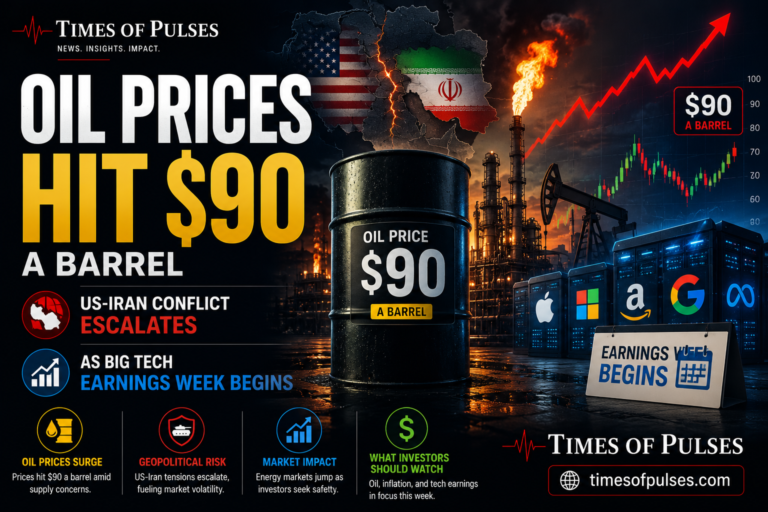
When  U.S. President Donald Trump announced that the ceasefire is over, global markets instantly reacted. Investors turned cautious, oil prices surged, and geopolitical uncertainty rippled across every major exchange. This blog breaks down how the statement affected energy, finance, and commodity sectors, and what traders are watching next.

⚙️ Section 1: Oil Prices Surge Amid Renewed Tensions

Oil prices jumped sharply as traders priced in potential supply disruptions. Brent crude crossed key resistance levels, while WTI futures saw double‑digit gains. Energy companies like ExxonMobil, Chevron, and BP benefited from the spike, but transportation and manufacturing sectors faced cost pressure.

💹 Section 2: Stock Market Volatility and Investor Sentiment

Global indices turned mixed. The Dow Jones and S&P 500 saw intraday swings, while Asian markets reflected cautious optimism. Investors shifted toward safe‑haven assets — gold, U.S. Treasury bonds, and defensive stocks in utilities and healthcare.


🪙 Section 3: Gold and Safe‑Haven Assets Shine

Gold prices surged past $2,400 per ounce as uncertainty grew. Portfolio managers rebalanced holdings toward commodities and stable currencies. This trend highlights how geopolitical shocks often trigger risk‑off sentiment, pushing investors toward tangible assets.

📈 Section 4: What Traders Should Watch Next

Analysts expect short‑term volatility but long‑term opportunities in energy and defense sectors. Key indicators to monitor:

  • Crude oil inventory reports
  • U.S. dollar index movement
  • Global supply chain updates
  • Central bank statements on inflation

    ⚖️ Legal & Editorial Disclaimer

    This article is for informational and educational purposes only. It does not constitute financial or investment advice. Market reactions and political statements are subject to change. Readers should verify information from trusted sources before making decisions